
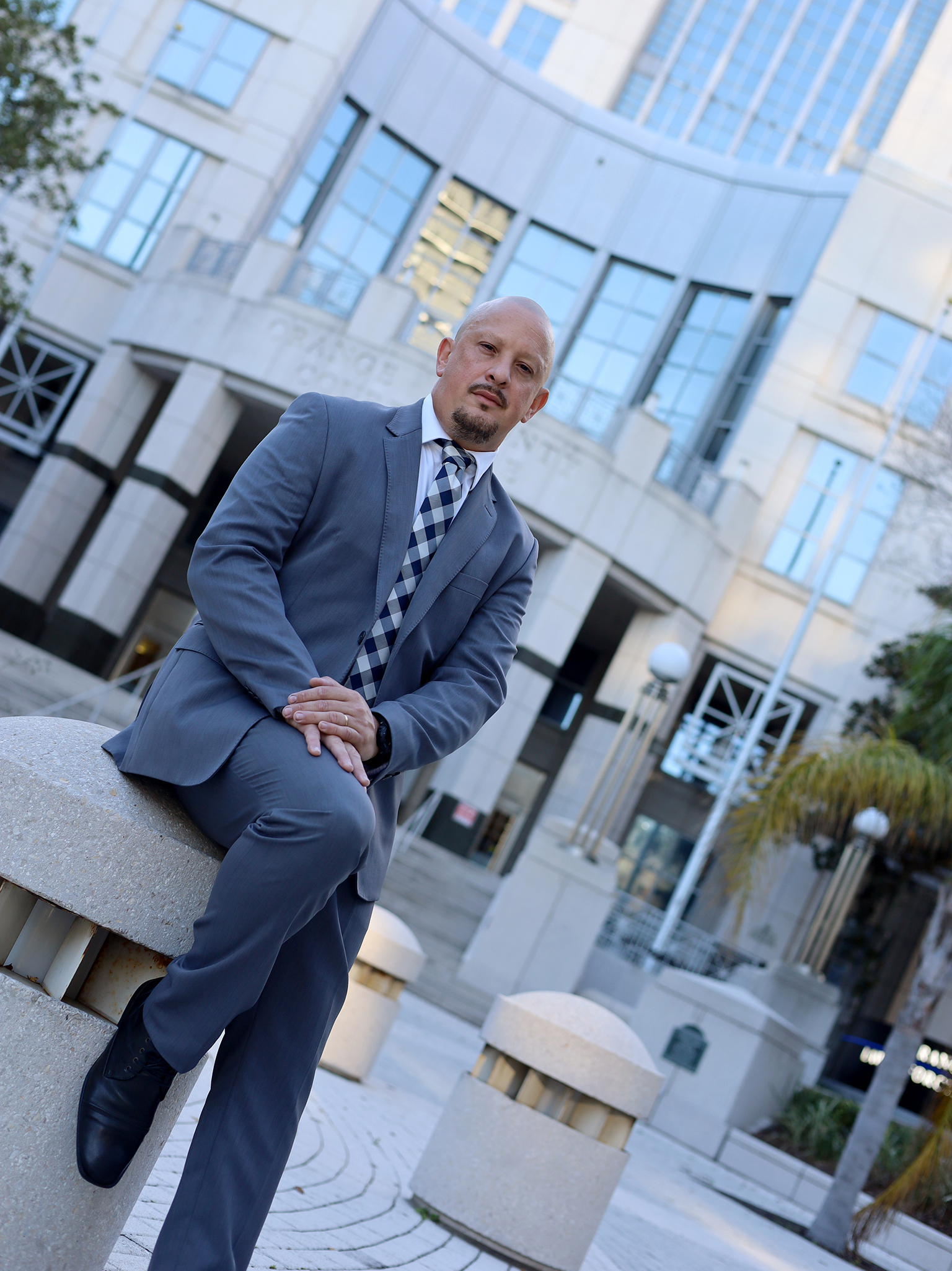
Fábio Toniato and the talent behind facilities powering America’s biggest global events.
In the coming years, the United States will once again stand at the center of the global stage. One of the most anticipated milestones will arrive in 2026, when the country co-hosts the FIFA World Cup, one of the largest sporting events on the planet. For the first time in history, the tournament will feature 48 national teams, bringing millions of fans from every corner of the world to North American cities.
But behind the spectacle of packed stadiums, dazzling broadcasts, and global celebrations lies a far less visible reality: the enormous infrastructure required to host events of this magnitude.
Major global events like the World Cup demand far more than sports arenas. They rely on an intricate ecosystem of stadiums, transportation hubs, hotels, training centers, logistics facilities, and urban infrastructure operating seamlessly under immense pressure. These environments must not only support millions of visitors but also ensure safety, sustainability, operational continuity, and technological efficiency.
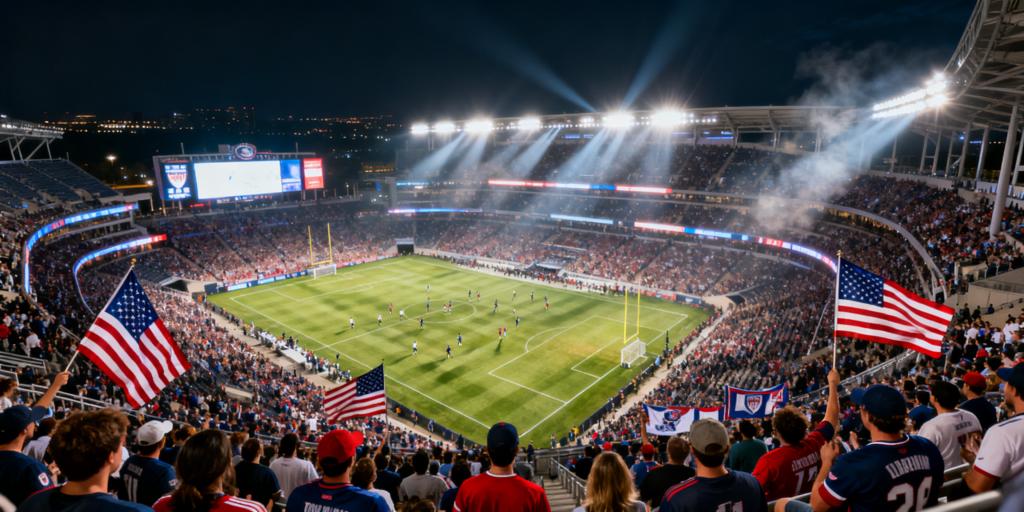
In other words, hosting a global event of this scale is not simply a matter of construction, it is a matter of facilities management at the highest level. Facilities management professionals are responsible for ensuring that these large environments operate flawlessly. From climate control systems in stadiums to energy efficiency in hotels and complex building operations in transportation centers, the discipline has become one of the most critical, yet often invisible, components of modern infrastructure.
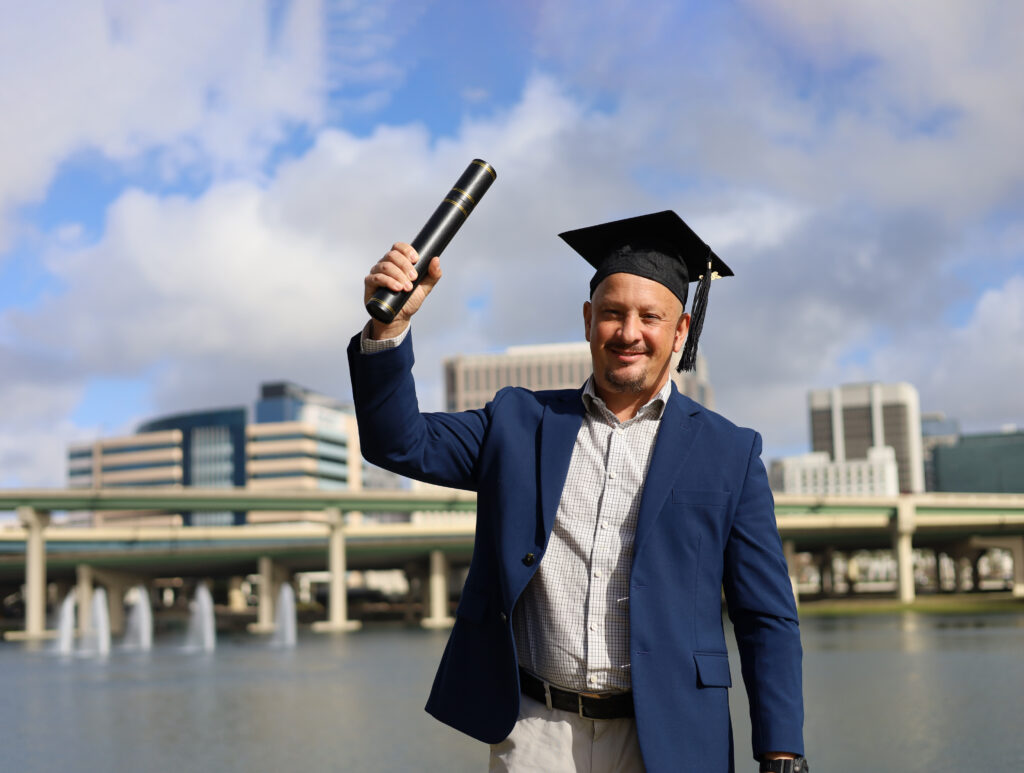
It is precisely in this strategic space that professionals like Fábio Toniato have built remarkable careers. He brings together a strong academic background and extensive operational experience that positions him among the professionals shaping the future of facilities management. He holds a Master’s degree in Project Management from St. Francis College in New York, along with MBAs in Strategic Business Management and Innovation. Complementing his academic training, he also holds professional certifications in Lean Six Sigma and Design Thinking, disciplines that reinforce his expertise in process optimization, strategic planning, and innovation-driven management.
With more than 15 years of experience in large-scale service operations, Toniato has built a solid career in Facilities Management, Procurement, and Operational Strategy, working in complex environments that demand efficiency, reliability, and long-term infrastructure planning.
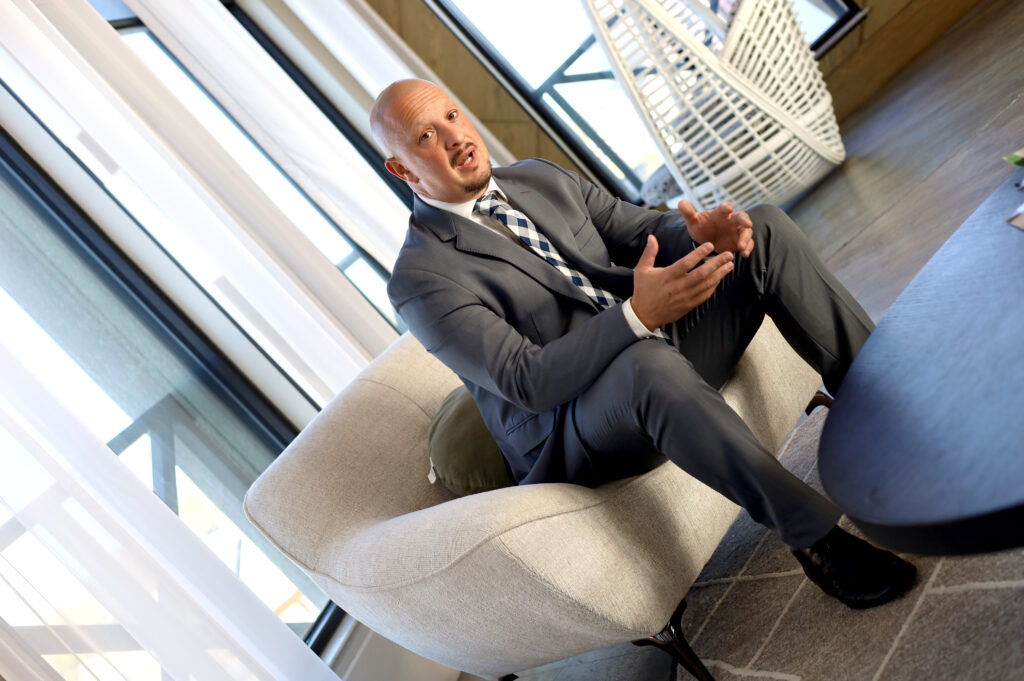
During his tenure at Itaú Unibanco, one of Latin America’s largest financial institutions, he was responsible for managing infrastructure maintenance contracts covering more than 4,000 branches across Brazil. The scale of this operation required rigorous coordination of vendors, technical teams, and operational standards to ensure consistent service delivery across a vast national network.
Most recently in his career in Brazil, Toniato served as Operations Manager at A7 Serviços, a company with more than four decades of experience in the facilities and services sector. In this role, he was responsible for overseeing a large-scale operation of more than 1,200 employees, managing teams that provided essential services such as cleaning, concierge, and landscaping for major clients, including banks, educational institutions, and hospitals. His tenure at A7 Serviços was marked by significant achievements, including improvements in quality performance indicators for all contracted clients and the successful implementation of an ambitious business expansion plan, strengthening the company’s operational reach and service excellence across multiple sectors.
Throughout his professional journey, Toniato has worked in highly complex operational environments, developing expertise in contracts management, facilities coordination, and infrastructure optimization within large corporate structures. In organizations operating at massive scale, such as Itaú, the efficient management of facilities becomes far more than a maintenance function, it becomes a critical component of business continuity, operational resilience, and the daily experience of thousands of employees and customers.
Professionals with this level of expertise play a fundamental role in ensuring that large infrastructures operate smoothly, efficiently, and sustainably, a responsibility that becomes even more relevant as cities, corporations, and global events increasingly depend on sophisticated facilities management systems.
As global events expand in scale and complexity, from World Cups to international conventions and large-scale entertainment productions, the demand for this type of expertise only grows stronger. Behind every successful event, there are professionals ensuring that lighting systems function perfectly, emergency protocols are prepared, climate control systems maintain comfort for tens of thousands of spectators, and the entire physical infrastructure performs under extreme demand.
The public sees the celebration. Facilities professionals ensure the celebration can happen at all.
Facilities Management: The Strategic Backbone of Modern Infrastructure
The discipline of facilities management has undergone a profound transformation in recent decades. What was once considered a primarily operational field has evolved into a strategic function that integrates technology, sustainability, risk management, and long-term infrastructure planning.
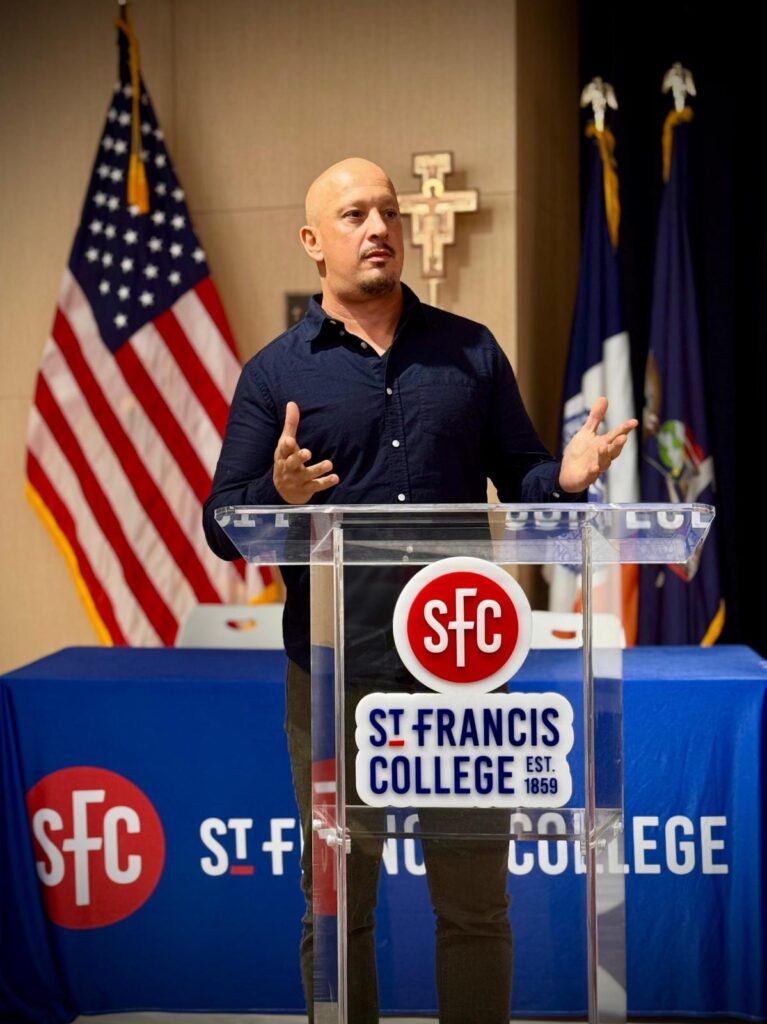
Today’s facilities professionals operate at the intersection of engineering, environmental stewardship, technology integration, and organizational strategy. This is where professionals like Fábio Toniato demonstrate the growing relevance of their expertise.
In an increasingly complex world, facilities management is responsible for overseeing environments that must balance multiple priorities simultaneously: efficiency, safety, sustainability, and user experience. For instance, modern facilities now rely heavily on smart building technologies. Sensors and integrated management systems monitor energy consumption, optimize climate control, detect maintenance needs before failures occur, and even adjust lighting and ventilation based on real-time occupancy data.
Predictive maintenance, powered by data analytics and connected devices, has replaced many traditional reactive approaches. Instead of fixing equipment after a failure, facility managers now anticipate potential issues and address them before operations are affected. This shift has enormous economic implications. According to data from the International Facility Management Association (IFMA), efficient facilities management strategies can reduce operational costs by up to 20% while significantly improving asset lifespan and environmental performance.
Sustainability has also become a central pillar of the profession. Buildings account for approximately 40% of global energy consumption, according to the International Energy Agency. As a result, facilities managers now play a decisive role in helping organizations reduce carbon emissions and implement sustainable operational practices. Energy-efficient HVAC systems, water conservation programs, waste management initiatives, and renewable energy integration are no longer optional upgrades, they are essential components of modern facilities strategy.
Professionals with deep operational knowledge, such as Toniato, are key actors in implementing these transformations.Their work often requires balancing technical knowledge with management expertise. Facilities managers coordinate teams of engineers, contractors, maintenance professionals, and technology specialists while also aligning operations with broader business objectives.
In environments such as financial institutions, corporate campuses, and major public venues, this coordination becomes even more critical. Beyond technical skills, the profession increasingly requires strategic thinking and adaptability. Climate risks, evolving technologies, changing regulatory frameworks, and new expectations around environmental responsibility mean that facilities professionals must constantly update their knowledge and methodologies. As the United States prepares to host massive international events like the 2026 FIFA World Cup, the importance of these professionals becomes even more evident.
Massive infrastructures, stadiums, airports, hotels, and convention centers, must operate flawlessly for weeks under intense global scrutiny. And behind that operational precision stand professionals whose expertise often remains invisible to the public but absolutely essential to the success of the entire system.
Professionals like Fábio Toniato represent a generation of specialists who understand that infrastructure is not static. It is dynamic, constantly evolving, and deeply interconnected with the way societies function. Facilities management, in this sense, has become one of the most strategic disciplines of the modern built environment.
Family: The Foundation Behind a Professional Journey
Behind every professional trajectory, there is a personal story shaped not only by ambition and hard work but also by the people who stand beside us throughout life. Family, values, and early experiences often become the invisible foundation upon which careers are built.
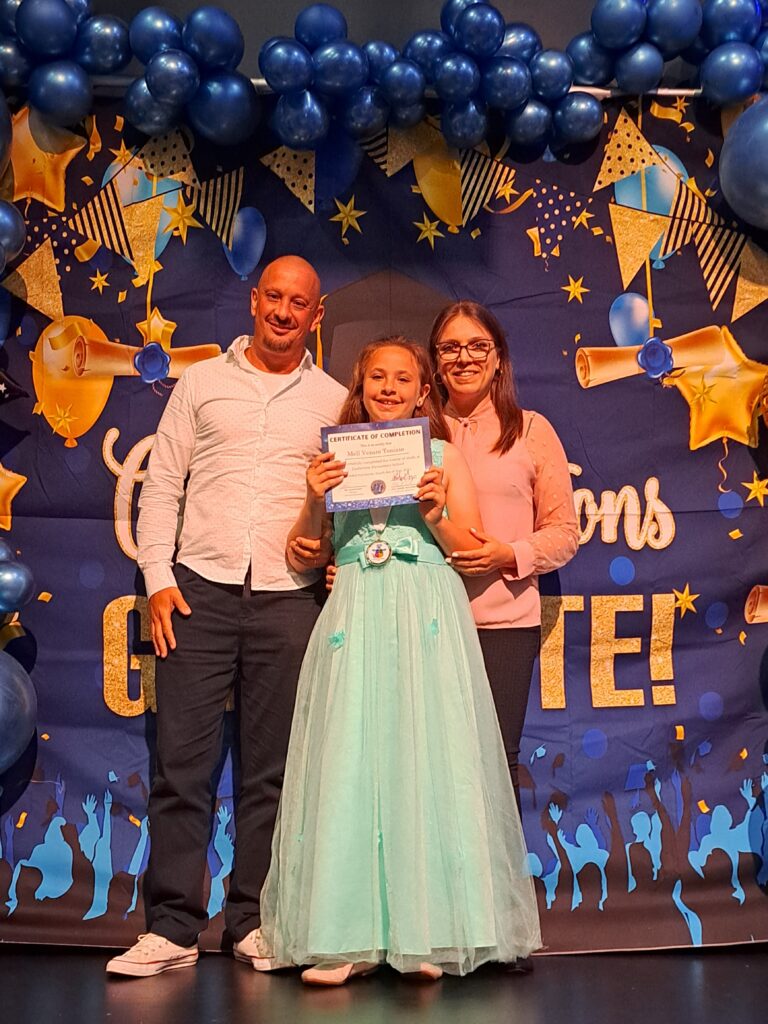
For Fábio Toniato, that foundation began long before his professional achievements in facilities management. His life story is deeply marked by resilience and the strength of family bonds. When Fábio was just six years old, his mother passed away in 1986, a moment that profoundly changed the course of his childhood. Faced with this loss, his family had to quickly reinvent itself. His father and two older sisters, both in their early twenties at the time, stepped forward to ensure that he would grow up surrounded by care, guidance, and opportunity.
The responsibility was significant, but the family’s determination proved even greater. Each of them played an essential role in supporting his upbringing, encouraging him to pursue education and personal growth despite the challenges they faced together. That early experience of resilience and mutual support became one of the most defining influences in his life.
Years later, another defining chapter began, one that would become the cornerstone of his own family.
Fábio met his wife, Rosangela Vezaro Toniato, in 1999. At the time, both were still very young and working in a department store where Fábio had just begun his job as a cashier. Interestingly, their first interaction was not particularly memorable in a romantic sense. In fact, he recalls that their initial exchange involved a simple request for change at the cash register that Rosangela declined, a small episode that today has become a humorous memory of their beginnings.
Over time, what began as a workplace interaction gradually evolved into friendship. Through daily conversations and shared routines, Fábio began to notice qualities in Rosangela that deeply impressed him, her determination, her discipline, and her commitment to building a better future. That friendship eventually grew into admiration and, slowly, into love.
A few days later, on August 10, 2000, their relationship officially began. This year, the couple celebrates 26 years together, including 18 years of marriage. Rosangela’s influence on Fábio’s life went far beyond emotional support. At the time they met, she was studying Law, dedicating much of her salary to paying for her education.
Witnessing her commitment to her studies deeply impacted Fábio’s perspective about his own future. Inspired by her determination, he decided in 2002 to pursue his first university degree. From that moment forward, education and professional development became permanent priorities in his life. Looking back today, he recognizes that Rosangela’s example played a crucial role in shaping his ambitions and professional discipline.
The couple’s story gained a new chapter with the arrival of their daughter, Mell Vezaro Toniato, who is now 13 years old. Becoming a father was a transformative moment in Fábio’s life. Initially, he admits he felt apprehensive about the responsibilities of parenthood. Mell arrived about four years after the couple married, a timing influenced in part by a difficult period Fábio was going through after losing his father to cancer following a long battle with the disease.
But when he finally held his daughter in his arms, noticing that her blue eyes resembled those of his late father, he felt something shift profoundly within him. In that moment, grief gave way to renewal. Mell’s arrival brought a deeper sense of purpose. His professional ambitions were no longer solely about personal achievement but about building stability and opportunities for his family.
Like any long-term relationship, Fábio and Rosangela’s journey has not been free of challenges. Growing together from a young age, navigating career changes, family responsibilities, and personal transformations required continuous dialogue, patience, and mutual respect. Their personalities are quite different, something Fábio now sees as one of the strengths of their relationship. Where one brings caution, the other brings perspective. Where one hesitates, the other encourages action. Together, they have built a family environment grounded in values they hope to pass on to Mell: respect, responsibility, dedication to education, humility, empathy, and integrity.
For Fábio, professional success only makes sense when it rests upon a strong personal foundation. The same discipline and long-term thinking required to manage complex facilities, infrastructure systems, and corporate operations also apply to the construction of a lasting family life.
In the end, careers may shape buildings, organizations, and cities. But it is family that shapes the person behind the professional. And for professionals like Fábio Toniato, operating in a field that quietly sustains the functioning of modern society, that foundation makes all the difference.