
By Rodrigo Lins, Editor-in-Chief, Skyline Magazine Lifestyle
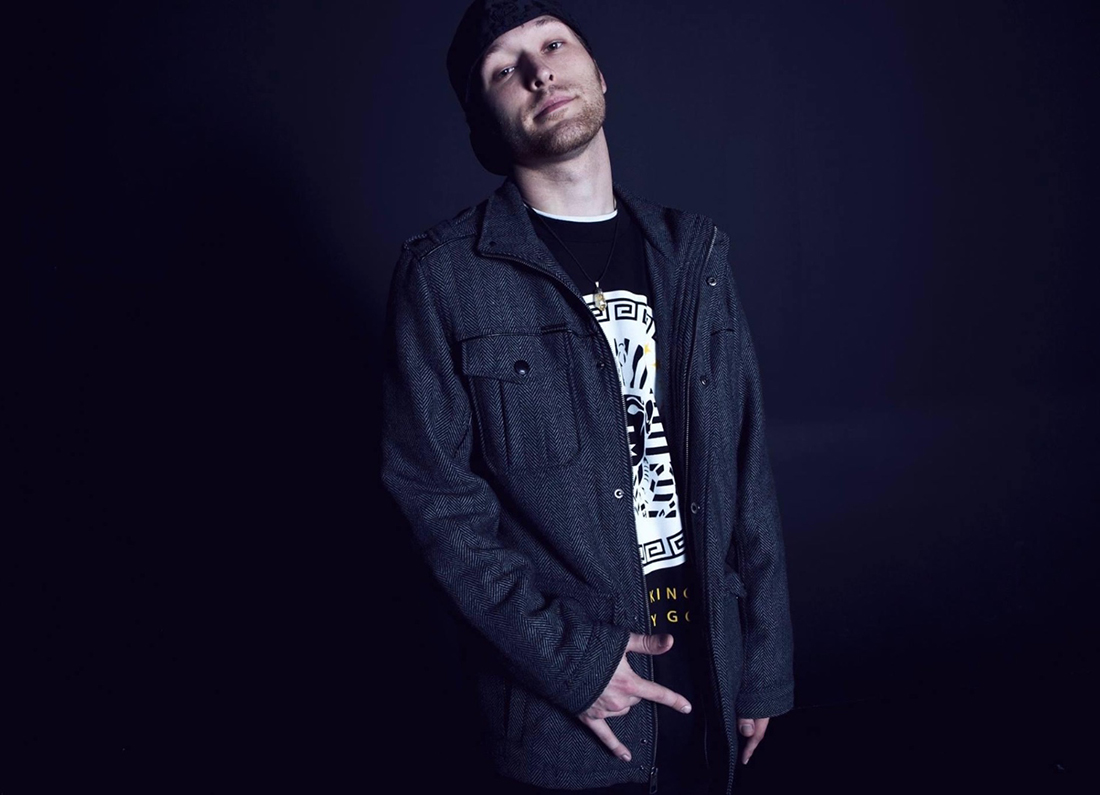
In an era where authenticity has become the rarest currency in hip-hop, CedLyfe stands out as part of a new generation of U.S. rappers redefining what it means to build a career with intention, quality, and emotional honesty. His story is not one of overnight success, but of resilience, movement, loss, and a deliberate choice to use music as a positive force.
CedLyfe’s journey began early. At just 14 years old, he was already producing beats for a close friend who was pursuing rap while CedLyfe stayed behind the boards. That creative partnership came to an abrupt and tragic end when his friend died in a car crash, a moment that would permanently reshape his relationship with music.
“I knew I already had real good stuff created,” CedLyfe recalls. “I knew I was onto something, so I decided to continue and pick up where we left off.”
Born in New London, Connecticut, CedLyfe’s identity was formed far from a single hometown. He grew up moving constantly, living in places such as St. Louis, Michigan, Tennessee, California, Florida, and Mexico, a pattern that deeply influenced both his worldview and sound. “If you dropped me off where I was born, I’d be lost,” he jokes. “I was just a baby when I lived there.”
That nomadic upbringing became fuel for his artistry. Early on, CedLyfe had an extensive catalog of beats, powerful, cinematic instrumentals filled with ideas, but no lyrics. Instead of letting them fade into unfinished files, he made a pivotal decision: finish the work and step fully into the spotlight himself.
“No one will hear it if you don’t finish it,” he says. “So I finished it, and over time, I started becoming more of myself.”
That evolution marked a shift not just in sound, but in message. CedLyfe’s music intentionally avoids glorifying crime or destruction, choosing instead to reflect real life without pushing listeners toward negative outcomes. “If you follow the instructions in my songs, you won’t go to prison or end up in hell,” he says with humor and conviction. “You’re not going to get in trouble.”
His career also mirrors the transformation of the music industry itself. CedLyfe experienced the hands-on era of mixtapes, burning CDs at home, labeling them with markers, and handing them out on the streets. Today, his music lives everywhere listeners are: Spotify, SoundCloud, Pandora, Apple Music, YouTube, and Amazon Music.

Finding his Own Professional Path
“If your music is only found in one place, the chances of people finding it are way less,” he explains. “So I wanted to be in all the places.”
As his reach expanded, so did his standards. Early studio experiences taught him a hard lesson about competition disguised as collaboration. “Other rappers would say, ‘Come record in my studio,’ but I never sounded good there,” CedLyfe says. “They’re in competition with you. The engineer isn’t trying to make you sound as good as him.”
The solution was simple, but not cheap: invest in professionalism. CedLyfe began recording exclusively in high-level studios and hiring independent sound engineers to refine his beats before vocals were ever laid down. “You get what you pay for,” he says. “Otherwise, you’ll never sound like the rich people.”
Today, his production quality rivals mainstream releases. “Now you hear the same quality you’d hear on a 50 Cent song,” he says. “Because I’m paying to play.”
Artistically, CedLyfe draws inspiration from rappers with unmistakable identities, Eminem, Ludacris, 2 Chainz, Cam’ron, and Rick Ross, artists whose voices and styles are instantly recognizable. “Those are the parts of the song everybody remembers,” he notes.

Hip-Hop across the border
Beyond English-language hip-hop, Spanish and Caribbean music have become essential influences. For CedLyfe, the appeal is emotional rather than strategic. “Spanish and Caribbean music makes you feel good, even if you don’t understand the words,” he says. “The instruments are uplifting. It makes you feel positive.”
That connection now shapes the next chapter of his career. CedLyfe is preparing for an international tour across Latin America, with Cancún, Mexico, confirmed as the first stop. The move reflects both personal history, he has lived in Mexico. and artistic alignment with audiences drawn to rhythm, energy, and authenticity.
Long-term success, however, is not defined by charts or numbers alone. CedLyfe frames his goals with humor, humility, and faith. “If I was the spokesperson for Dos Equis or Converse, I’d love that,” he says. “But really, I started making music to make people feel good.”
He adds, “Maybe when I die, God will say, ‘I liked what you were doing down there.’ Maybe I’ll get into the VIP section.”
Importantly, CedLyfe is clear about his place in the cultural conversation. “I’m not stealing from cultures, I’m a contributor,” he says. “I don’t pretend to be someone else. Even if I’m doing a Spanish record, a Caribbean record, or a hip-hop record, I’m always CedLyfe.”
He produces all his own beats, refuses to fabricate stories in his lyrics, and credits close collaborator Derek Roura, who frequently contributes vocals and piano, as a key creative partner.
As a representative of hip-hop’s next generation, CedLyfe embodies a shift toward independence with discipline, creativity with accountability, and ambition with purpose. With his Latin American tour beginning in Cancún and a growing international audience, his story is no longer just about where he came from, but about how far intentional artistry can travel.